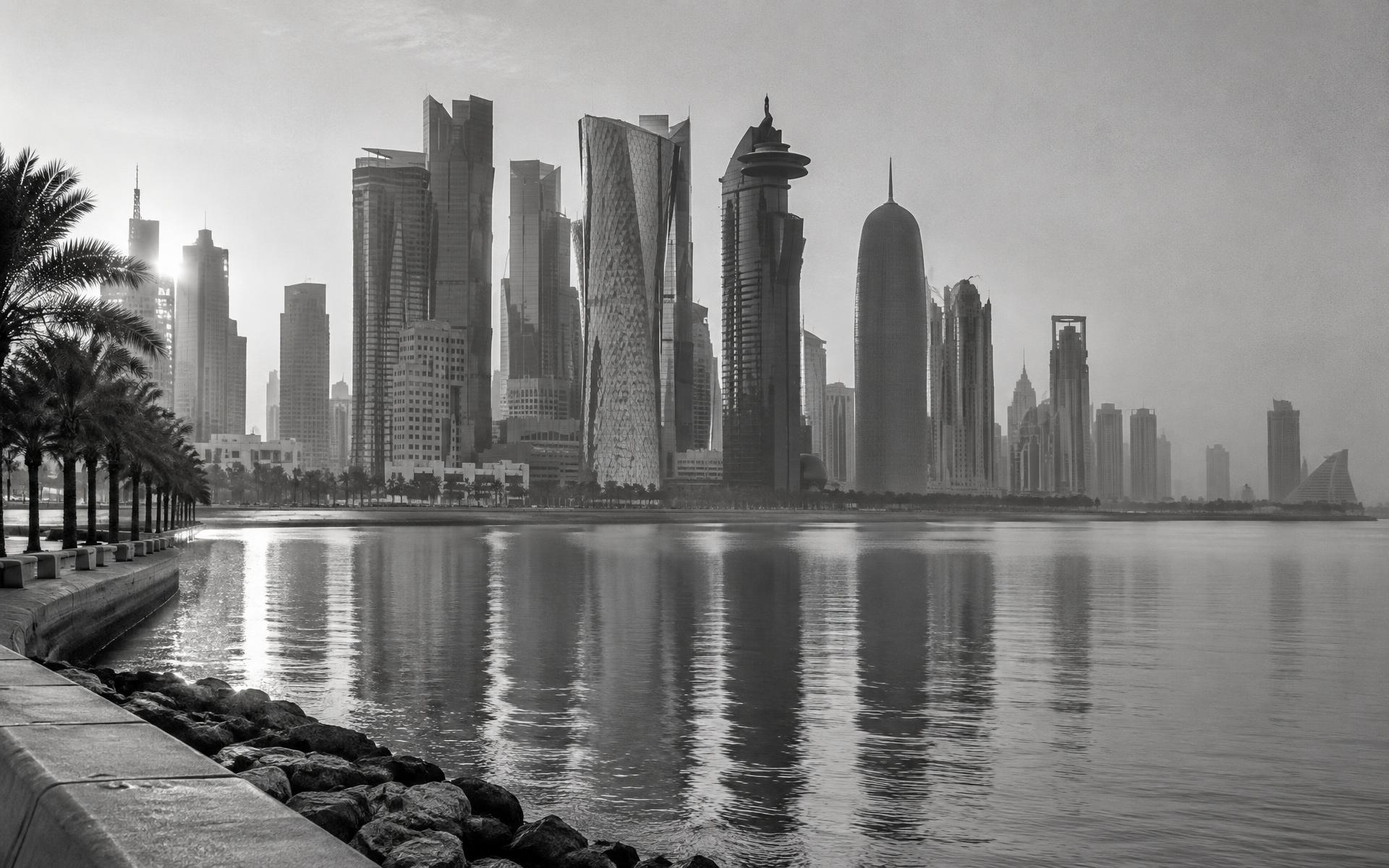
I spent roughly five years living and working in the Middle East, and the lesson that has stayed with me longest is that hospitality there is not a mood, it is a system. Coffee appears before you ask. A guest is never left standing at a threshold. Refusals are expected, and the offer is made again. None of it is improvised; all of it is designed, practised and repeated.
That is what most Western businesses miss about service. They treat hospitality as personality, hire friendly people and hope. The cultures I worked in treat it as infrastructure: rituals with rules, owned by everyone, executed whether or not anyone feels like it.
Attentiveness, generosity, pace
Attentiveness is the first ritual. In the best organisations I worked with, someone always noticed before you had to ask. That is not mind reading; it is a standard, watch the guest, anticipate the next need, act early. Any project team can run the same play: flag the risk before the client asks, send the update before the chase email arrives.
Generosity is the second. The default posture is abundance, time, food, patience, and it is extended before any value has been proven. Businesses everywhere say they are generous; few are generous first.
And pace is the third. Some things are deliberately slow, the greeting, the coffee, the relationship, and some things are startlingly fast. Knowing which moments deserve which pace is a service skill in itself.
A caveat worth stating: the region is not one market, and reducing it to a stereotype is the fastest way to get it wrong. But the underlying lesson travels well. Hospitality is a system of rituals, and rituals, unlike moods, can be designed, taught and relied on. That is as true for a consultancy as it is for a majlis.
Need someone to get your project over the line?
Project delivery support for brand, digital, and creative teams that need clearer direction and smoother progress.